
Choosing Window Glazing in Orléans: Comfort, Sun & Noise
Build a room-by-room brief, then compare documented window performance for your home’s actual exposure.
Explore the guide ↓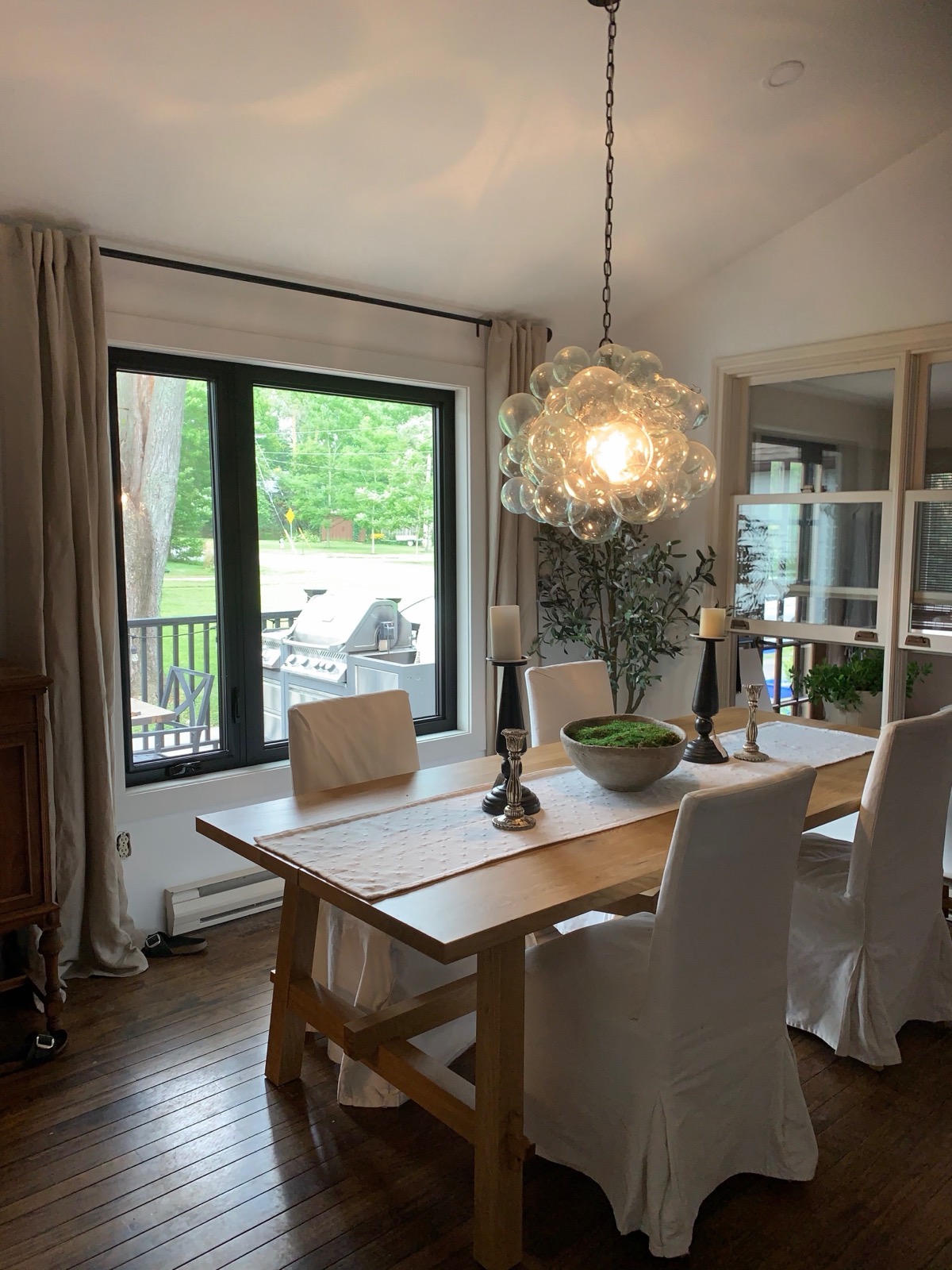
Gallery photography illustrates design details; it is not identified as a project in this neighbourhood.
Choosing replacement windows in Orléans is easier when you begin with the rooms you want to improve. A chilly seat beside a window, afternoon glare in a home office and outdoor noise in a bedroom are different concerns. Describe each one before deciding that every opening needs the same glass package.
The most useful brief combines your observations with product evidence. Record which direction each window faces, when the room feels uncomfortable, what shading is present and whether noise is a concern with the window closed. Your home’s actual exposure matters more than a general description of the neighbourhood.
1. Make a short comfort record
Choose the rooms where a change would matter most. For each one, write down the time of day, weather and what you notice. Is the issue a cold feeling beside the glass, a moving draft, a room that becomes too warm in the sun, or difficulty seeing a screen?
Photograph the whole window and nearby surroundings. Include overhangs, trees, blinds and heating outlets where relevant. Ask the assessor to distinguish a glazing question from an installation, air leakage or broader room-comfort issue. A product choice is more useful when the underlying concern has been described clearly.
If you are replacing several windows, rank the rooms before comparing upgrades. That gives the supplier a practical way to explain which choices address your priorities and which changes may offer less value for your situation.
2. Compare whole-window energy ratings
Ask for whole-window ratings for the quoted model and glazing configuration, and confirm whether they are based on a standard test size or your proposed size. Natural Resources Canada’s ratings guide explains that a lower U-factor means less heat transfer. Compare values in the same units. Solar heat gain coefficient, or SHGC, is the fraction of incident solar heat admitted through the product. The Energy Rating combines heat transfer, solar gain and air leakage in one value.
Keep those measures together when comparing options. A statement such as “triple pane” describes one aspect of the construction; it does not provide all the information needed to compare two finished products.
Our double-pane versus triple-pane guide introduces that choice. For your quote, ask the supplier to identify the full window model, glazing package, relevant ratings and price difference. If certification is claimed, request the matching product documentation rather than relying on a general brand statement.
3. Discuss solar heat room by room
A lower SHGC admits less solar heat. Whether that is desirable depends on the room and the house. Natural Resources Canada’s technology primer cautions that higher solar gain on south- or west-facing glazing can contribute to overheating in some circumstances.
Tell the supplier how the room behaves now and what is likely to change. Changes to exterior shading or how you use the room can affect the recommendation. Ask how the proposed glass would balance solar heat, daylight and your comfort priorities.
You can request alternative specifications for different exposures, then have the supplier explain any visible differences or coordination issues. Review a suitable sample where available. Avoid selecting glass from a tiny colour swatch without discussing how the complete window will look in the room.
4. Treat outdoor noise as a separate requirement
If noise is a concern at your Orléans address, identify the source and when it matters. Describe passing vehicles, voices or another specific sound rather than simply asking for “soundproof windows.” Note which rooms are affected and whether the problem changes when the window is properly closed and latched.
The National Research Council’s archived guidance on sound transmission through windows (1988) explains how glass thickness, pane spacing and air leakage affect sound transmission. These general principles do not establish the acoustic performance of a current product, and pane count alone is not enough to predict the result.
Ask for tested acoustic information for the proposed whole-window assembly and an explanation of its relevance to your noise source. Also ask whether other parts of the room may limit the improvement. The final recommendation should be specific to the quoted product and your home.
5. Turn the discussion into a written brief
Before ordering, check that the proposal identifies:
- Each room and its main comfort priority
- The exact model, operating style and glazing package
- Whole-window energy ratings and any certification claimed
- Acoustic test evidence where noise reduction is part of the requirement
- Installation, sealing and finishing responsibilities
- The price of each optional upgrade and the applicable written warranty
Keep a copy of the agreed specifications for installation and future reference. If a product substitution is suggested later, compare its documented performance before accepting it.
Start with your home’s priorities
Ready to review options for your Orléans home? Contact Optima with your postal code, room list and main comfort concerns to check service availability and request a quote based on your priorities.
Discuss your project ↗