
Vinyl vs. Fibreglass Windows: What Toronto Buyers Should Compare
Look beyond the frame material. Compare product ratings, design, installation and the details behind the price.
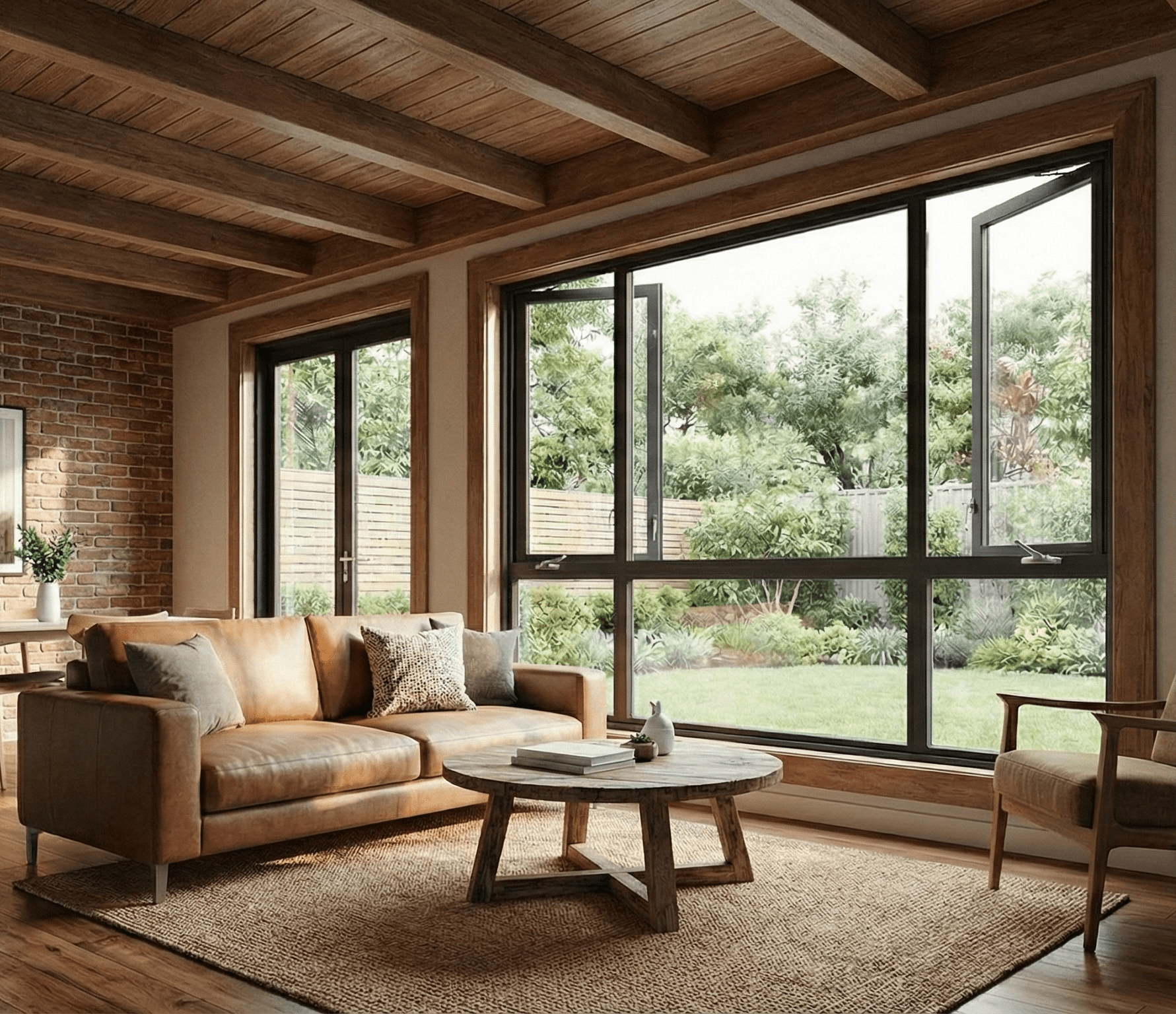
Fibreglass and vinyl windows can both be worth considering. Start by comparing the complete window, its installation and the written quote. Frame material matters, but it does not establish the energy performance, useful life or value of every product made from it.
For Toronto homeowners replacing several windows, the practical question is what each proposed system delivers for the rooms, openings and budget involved. This guide explains which differences to investigate and what to ask before paying a material premium.
Optima's window range focuses on vinyl window options. Use this guide to compare an Optima proposal with other specifications you are considering.
What are vinyl and fibreglass window frames?
Vinyl frames are made from PVC. Fibreglass, also commonly written as “fiberglass,” uses glass fibres and resin. Products vary within both categories. Some window systems also combine different materials on the interior and exterior, so ask what each part of the quoted frame and sash is made from.
The U.S. Department of Energy describes vinyl as moisture-resistant and not requiring painting, and fibreglass as dimensionally stable. Those are useful material characteristics, rather than a complete comparison of two installed window systems.
Fibreglass windows vs. vinyl: what to compare
| Factor | What to ask |
|---|---|
| Installed price | What is the price for the same opening, glass specification and finishing work? |
| Energy performance | What are the complete product's U-factor and other relevant ratings? |
| Visible glass | What glass dimensions remain inside the proposed frame? |
| Size and operation | Is this exact configuration available and suitable for the opening? |
| Colour and finish | What finishes are available, and what care or repainting restrictions apply? |
| Installation | What gets removed, retained, sealed and finished? |
| Service | Who handles glass, hardware, frame and installation issues? |
| Warranty | What is covered, for how long, and with which exclusions or charges? |
How much more do fibreglass windows cost?
Fibreglass is generally positioned at a higher price than vinyl. Pella identifies the higher upfront cost as one trade-off in its own fibreglass range. That does not establish a standard Toronto price difference or tell you what a particular installation should cost.
Ask each supplier for a written total based on the same schedule of openings. If one proposal uses a different glass package, installation method or amount of interior finishing, separate those changes before attributing the entire difference to the frame material.
Try this question: “If I keep the window style, dimensions, glass and installation scope the same, what changes in the price and specification?” If the supplier cannot offer an equivalent configuration, record the differences rather than treating the totals as directly comparable.
For an early budget, use Optima's window cost calculator. A measured assessment is the next step for a project-specific quote.
Which material is better for Canadian winters?
Look for evidence about the proposed product. Natural Resources Canada's ratings guide explains U-factor, solar heat gain coefficient and Energy Rating. These help you compare performance more meaningfully than a material label alone.
Ask for the complete window's U-factor in consistent units, along with the exact glass package used to achieve it. A centre-of-glass number should not be presented as the performance of the whole window.
Then discuss the room. Is the goal reducing discomfort near a large north-facing opening, controlling afternoon sun, improving operation or replacing a damaged frame? Ask the supplier to connect its recommendation to that problem. Review the opening and installation details as well as the product specification.
Compare drawings, samples and colour options
Do not assume one frame material always provides more glass. Request drawings showing the overall unit, visible glass and any fixed or operating sections. Compare the proposals at your actual dimensions.
If you want a black exterior, ask to see the finish and learn how it is applied. Confirm whether the interior can be a different colour, how the finish should be cleaned and what the manufacturer says about repainting. Those instructions vary by product.
Optima's black window guide covers colour choices in more detail. Keep those aesthetic decisions separate from choosing the glass and installation scope.
Ask about serviceable parts and written coverage
A promise that one material will last a fixed number of years does not tell you when the glass, hardware, seals or finish might need attention. Avoid treating a warranty period as a forecast of the entire window's life.
Before deciding, ask each supplier:
- Who should I contact if the window becomes difficult to operate?
- How are replacement hardware and glass obtained?
- Which maintenance steps does this product require?
- Are labour, service visits and finishing work covered if a repair is needed?
- What conditions or charges apply if the home is sold?
Request the current written warranty for the products in your quote. Keep it with the model information and final installation paperwork so you can identify what was supplied.
When does paying more make sense?
A higher-priced option deserves consideration when it provides a specific benefit you want and can verify. That might be a preferred frame profile, a finish, an available size or a documented product specification. Ask the supplier to show that benefit in the proposed configuration.
If both proposals meet your needs, compare what you could do with the budget difference. You might prefer a different glass package, work on another opening or keeping part of the renovation budget available. This is a project decision, not a rule that the most expensive material is always the best purchase.
For a vinyl proposal, ask the same demanding questions. A lower price is useful only when the product, installation scope and support meet your expectations.
Common questions
Are fibreglass windows automatically more energy efficient?
No material label replaces a comparison of the exact window systems. Ask for their complete product ratings and glass specifications, then consider the installation and the room's needs.
Can vinyl windows suit a Toronto replacement project?
Yes, subject to selecting suitable products and installation details for the openings. Optima offers vinyl window styles including casement, slider, hung, awning and fixed configurations. An assessment helps narrow down the options.
Can I paint either type later?
Check the manufacturer’s instructions for the exact product and finish. Do not assume repainting is permitted or covered by the warranty simply because a frame is labelled vinyl or fibreglass.
Does this comparison apply to fibreglass entry doors?
This guide concerns window frames. Entry doors involve a different product decision. See Optima's steel versus fibreglass door comparison for that topic.
Get a vinyl window proposal you can compare
Tell Optima what matters most: the rooms you use, your preferred appearance, current window problems and the scope of the renovation. Bring any competing product specifications so the differences can be discussed clearly.
Book a free in-home assessment or call (647) 800-6973. You can also browse completed installations before planning your project.
